◈ BLOCK/GUIDEQuick checklist ↗
INDEPENDENT LEARNING RESOURCE 01 / 10

Trezor Suite:
Desktop & Web
App Guide

A clearer view of your hardware wallet companion. Explore the interface, understand the first steps, and build thoughtful security habits.

Explore the guide ↓Educational resource · Not affiliated with Trezor
01Understand
your workspace
02Verify before
you approve
03Protect your
recovery info
HARDWARE / 01● READY TO EXPLORE
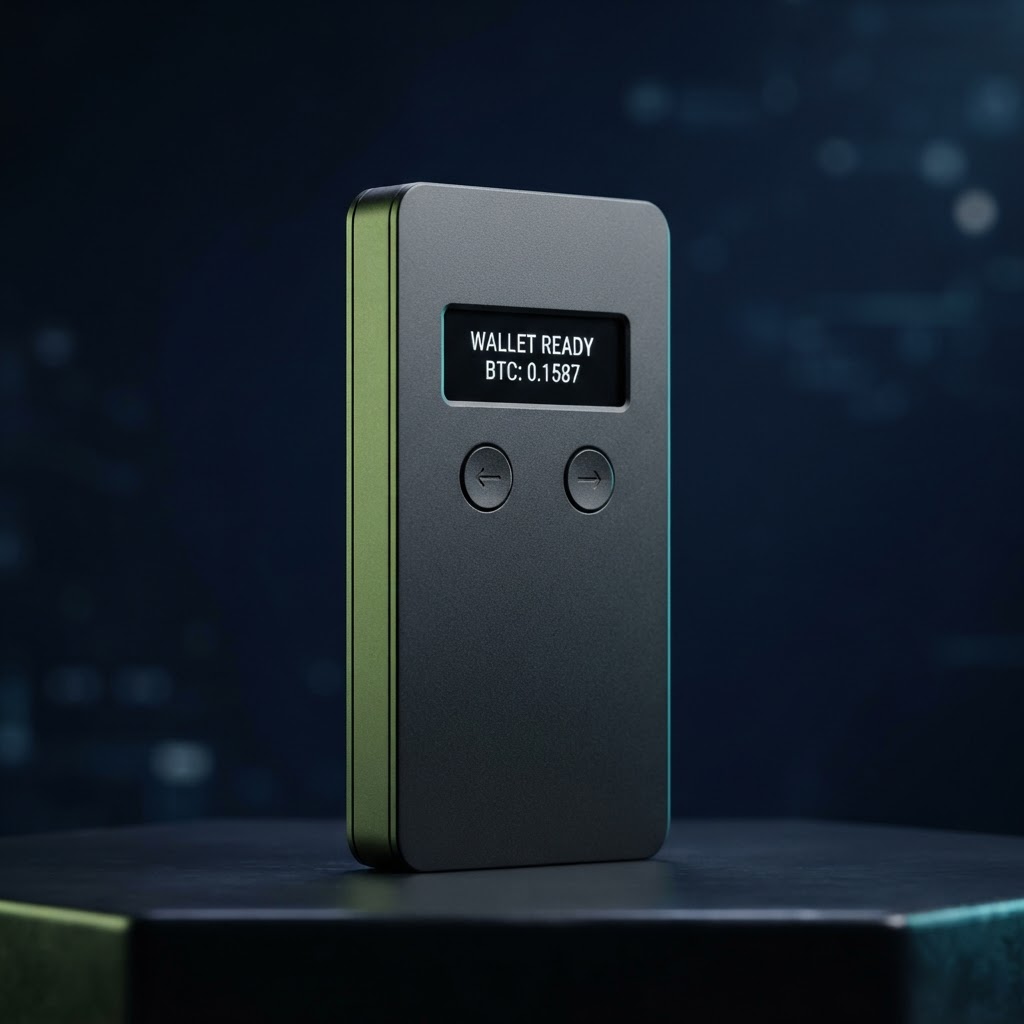
Graphite hardware wallet device shown in full against a dark studio background
YOUR KEYS. YOUR CHECKS.FIG. 001   ↗
01 — START HERE

One interface.
More confidence.

A / 01▣

DESKTOP

Explore the desktop experience.

↗
B / 02◉

WEB

Understand the web experience.

↗
C / 03⌑

SECURITY

Review important security habits.

↗
02 — A SIMPLE WORKFLOW

Slow down at every handoff. The device is part of the conversation.

01EXPLORE
→
02CONNECT
→
03VERIFY
→
04MANAGE
→
05SECURE

Trezor Suite Overview

Trezor Suite is companion software designed to help people interact with supported Trezor hardware wallets. It brings account views, portfolio activity and transaction tools into one interface. This independent guide explains what to expect and the habits that help you use a wallet thoughtfully. Features and supported assets can change, so confirm current details using product materials reached through trusted channels.

↗

Desktop and Web Experiences

The desktop experience is an installed application suited to people who prefer a dedicated workspace and a familiar place to return to. A web experience can be convenient when you need access from a supported browser without installing a desktop app. Availability, supported browsers and functionality may vary. In either case, connect only through a source you have independently verified; never follow unsolicited download links or search ads without checking them.

↗

Getting Started

Start with a device you obtained from a source you trust. Read the manufacturer’s setup guidance and inspect packaging and device condition before use. Install or open the companion software only after verifying its origin through a trusted channel. Follow the on-screen setup flow at your own pace, and make sure you understand each recovery and security prompt before proceeding. Do not share recovery words with anyone.

↗

Connecting Your Device

Connect using a reliable cable and a computer you control. Keep the device in view as the app detects it, and compare prompts shown on the computer with details displayed on the hardware wallet. The device screen is an important independent confirmation surface. If a prompt is unexpected, an address differs, or the software asks for sensitive recovery information in an unusual context, pause and verify through trusted product guidance before continuing.

↗

Understanding the Main Interface

Account navigation typically helps separate activity by asset or account. Balance summaries provide a convenient snapshot, while transaction history gives context about past activity. Portfolio values can move with market prices and may not update instantly. Review network, asset, destination and amount carefully before approving a transaction. Treat estimates as informational rather than guaranteed execution values.

↗

Security and Privacy

A hardware wallet is one part of a broader security routine, not a guarantee against every risk. Use a clean, updated device; protect your computer; and be alert to phishing, impersonation and malicious browser extensions. Approve only transactions you initiated and understand. Consider what account and portfolio details may be visible on a shared screen, and avoid discussing holdings in public. Support staff should not need your recovery words.

↗

Recovery Information

Recovery information is the critical backup that may restore access if a device is lost or damaged. Write it down exactly as guided by the device, verify the backup as instructed and store it offline in a private, durable location. Never photograph it, save it in cloud storage, type it into a website, or send it to another person. Anyone who obtains it may be able to access associated funds. Plan for safe access by your future self without exposing it today.

↗

Keeping Software Current

Updates can include compatibility changes, improvements and important fixes. Check for updates using the application or trusted product channels, and read prompts before installing. Keep your operating system and browser current too. Avoid update files delivered through unsolicited messages. After an update, take a moment to confirm that the app and device behave as expected before managing a transaction.

↗

Common Beginner Questions

Is a web app the same as a wallet? No: the software interface works with your supported hardware device. Can balances change? Yes, displayed values may move with market rates and timing. Should I enter recovery words into the app? Treat any request to do so with extreme caution and follow official setup guidance; never disclose them to a person, support chat or unsolicited page. What if something looks wrong? Stop, do not approve, and independently verify the details before continuing.

↗

Quick Reference Checklist

Before each session, confirm you are using a trusted computer and a verified app source. Keep recovery information offline and private. Connect your own device, compare important prompts on its screen, check every transaction detail and approve only what you recognize. Leave time for updates, and pause whenever a message, request or interface feels unexpected. These simple habits make a more deliberate wallet workflow.

  • ✓ Verify the source before opening the app
  • ✓ Keep recovery information offline and private
  • ✓ Compare transaction details on your device
  • ✓ Pause when any request feels unexpected
↗
◈
INDEPENDENT BY DESIGN

Clear guidance, without the noise.

This site is an independent educational resource. It is not produced by, endorsed by, or affiliated with Trezor. Product names belong to their respective owners. Always consult trusted product documentation for current compatibility and setup details.

↑